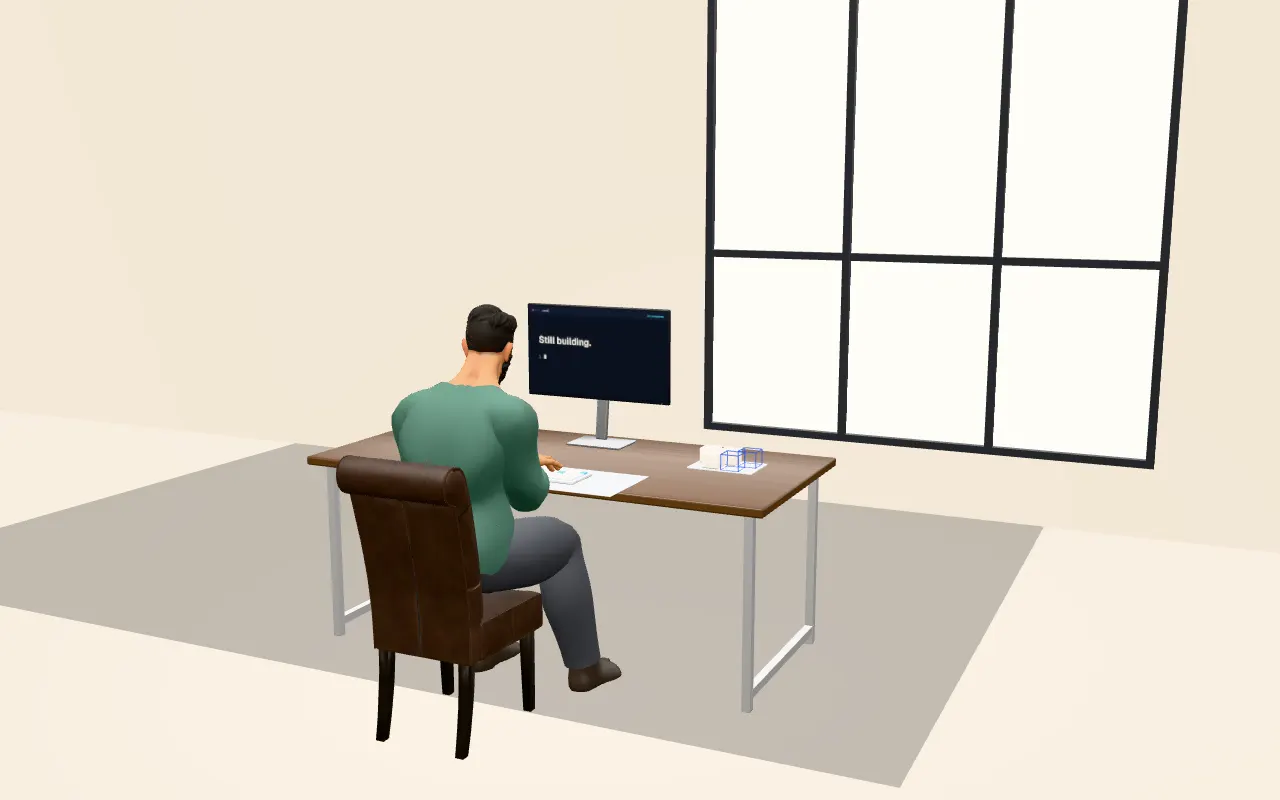
I build things to understand how they really work.
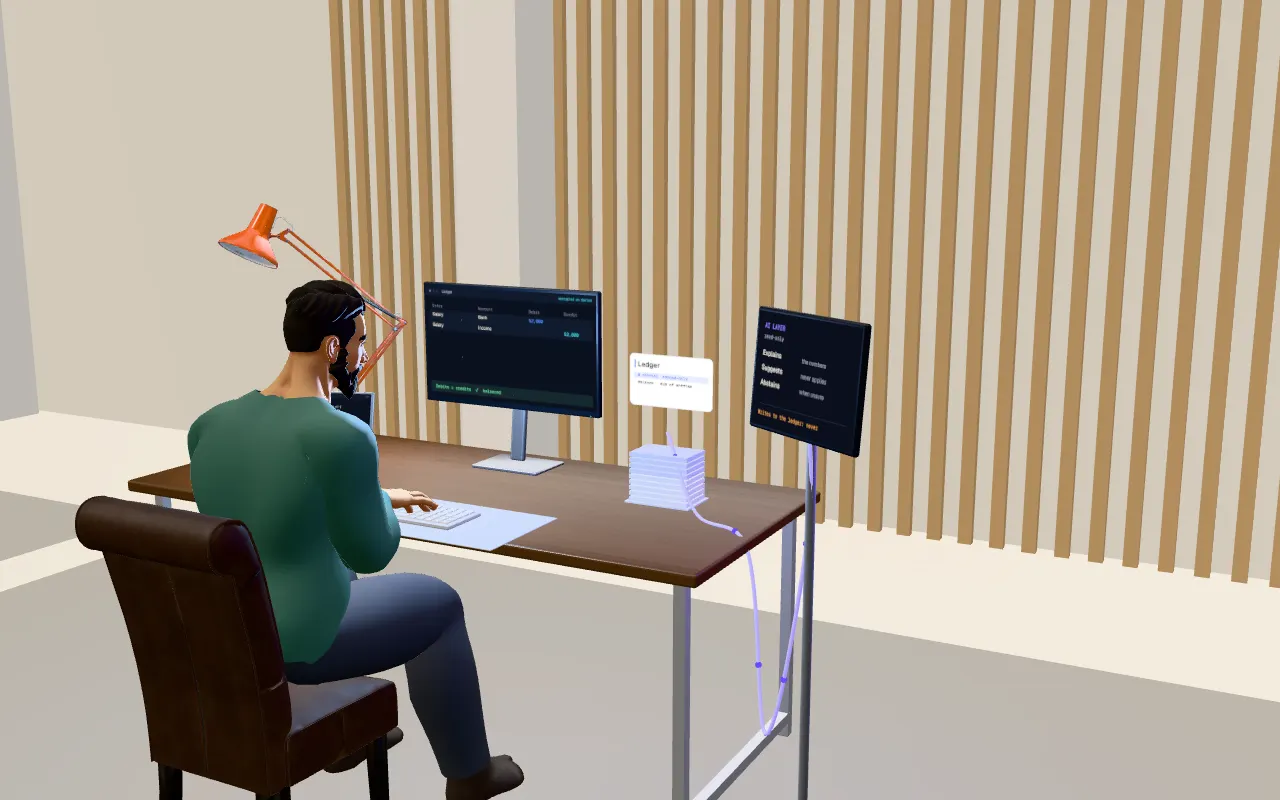
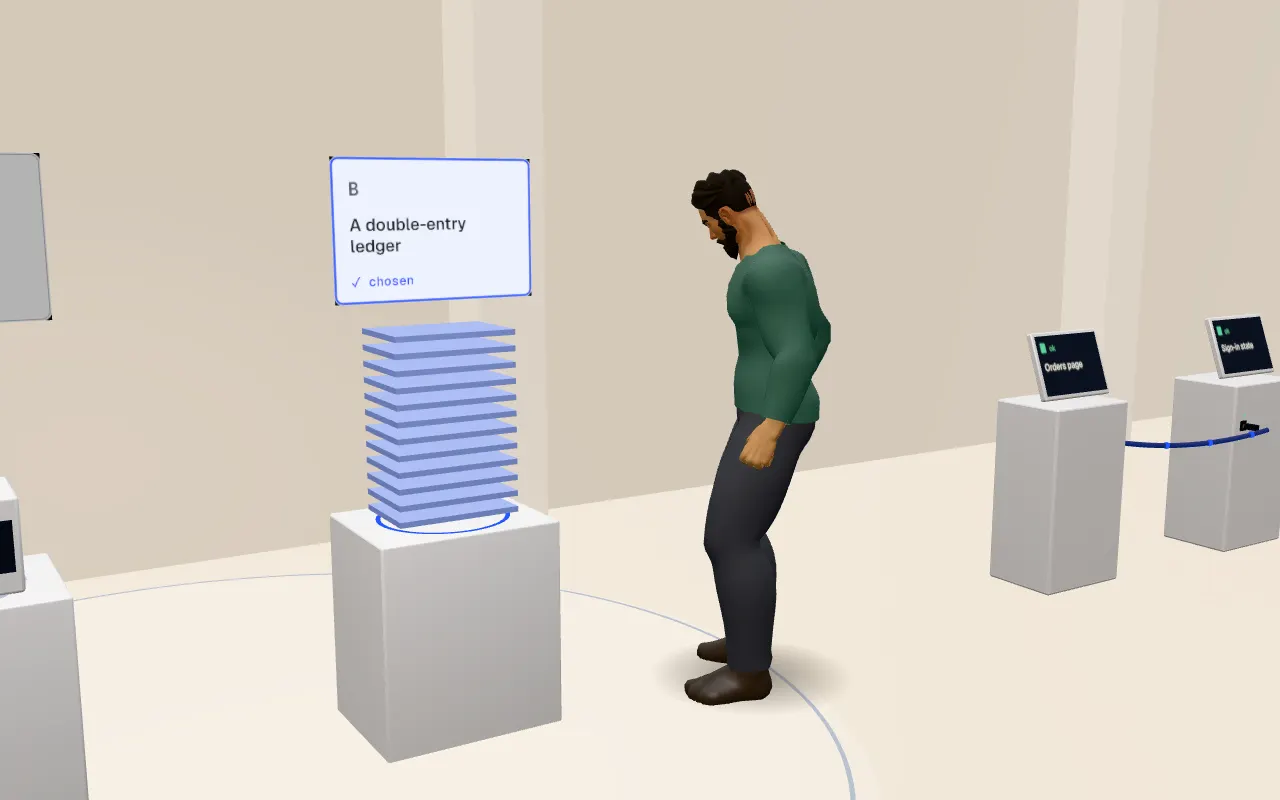
I build web and mobile software end to end, from the screen down to the database and the cloud. I’ve shipped it for clients in healthcare, logistics and commerce. Now I’m building a finance app where the AI can explain the numbers, but never change them.
ScrollIt started with wanting to know how things work.
02—Origin
Where it started
What made me want to build software?
I wanted to understand how the things I used every day actually worked. Once I started coding, I realised I could take an idea in my head and build it. I liked that loop: try something, watch it fail, figure out how to make it work.
Next →So I started with the fundamentals.
2022
03—Journey
How it went
Each step changed what I paid attention to.
01 / 03
B.Tech begins
Computer Science & Engineering · Amity University Rajasthan
I started with fundamentals. Then I wanted to see whether the things I was learning could work outside the classroom.
Fundamentals first — C and C++, data structures and algorithms — then Python, web development and databases as the projects got bigger.
Next →The first time they did, the program was for someone else.
2024
03—Journey
02 / 03
Diginique TechLabs
Python programming intern · Remote
My first program with a real person on the other side: you type, it measures, it answers.
A speed typing test in Python and Tkinter that scores speed and accuracy as you type.
Next →Real input made me think about data, and what it says about the people behind it.
2025
03—Journey
03 / 03
Avalon Tribe
Data science & ML intern · Bhilwara
Then data became the problem: models that get evaluated, not just run.
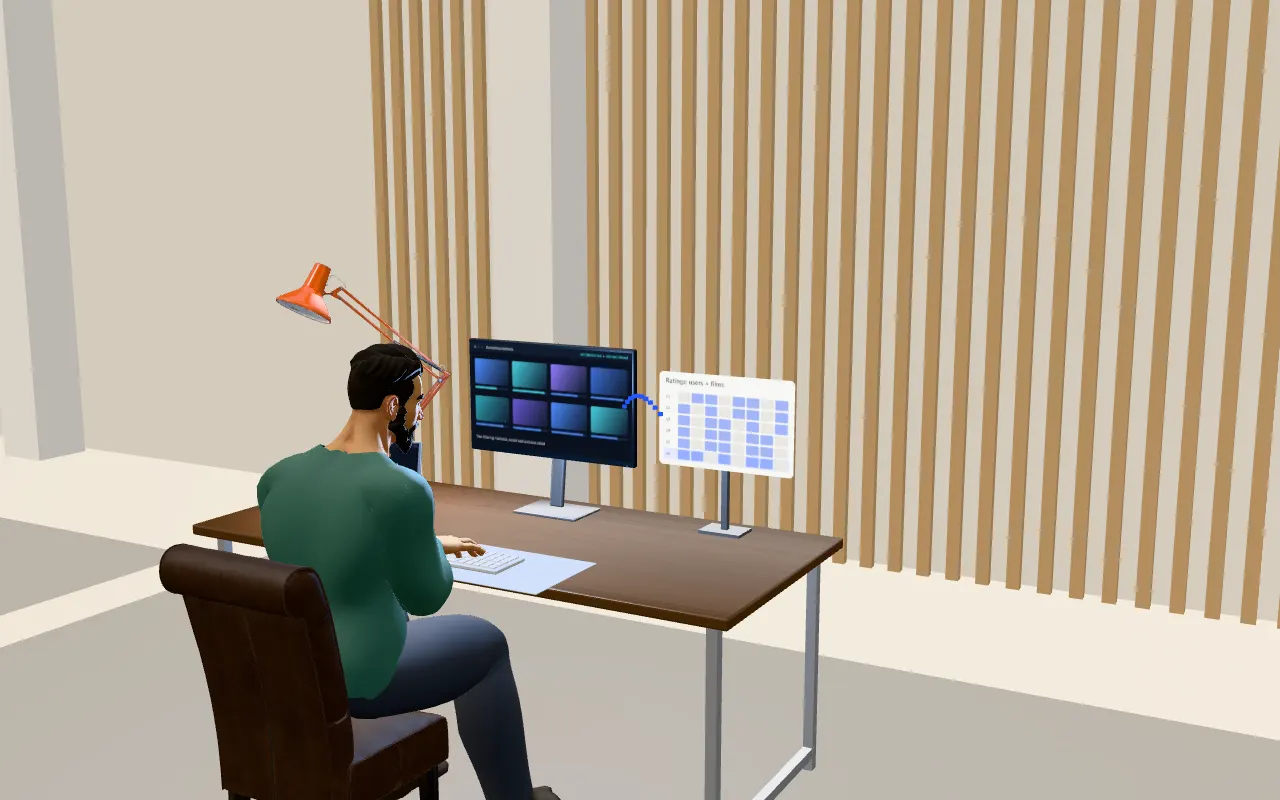
A movie recommender combining collaborative and content-based filtering, in pandas, NumPy and scikit-learn.
Next →Next, the software had to work for real businesses.
04—Experience
Shipping for real businesses
The internship where the scale changed.
·Junior software developer intern · Jaipur
ABS Infotech
The question changed from “can I make this work?” to “how will this behave in production?”
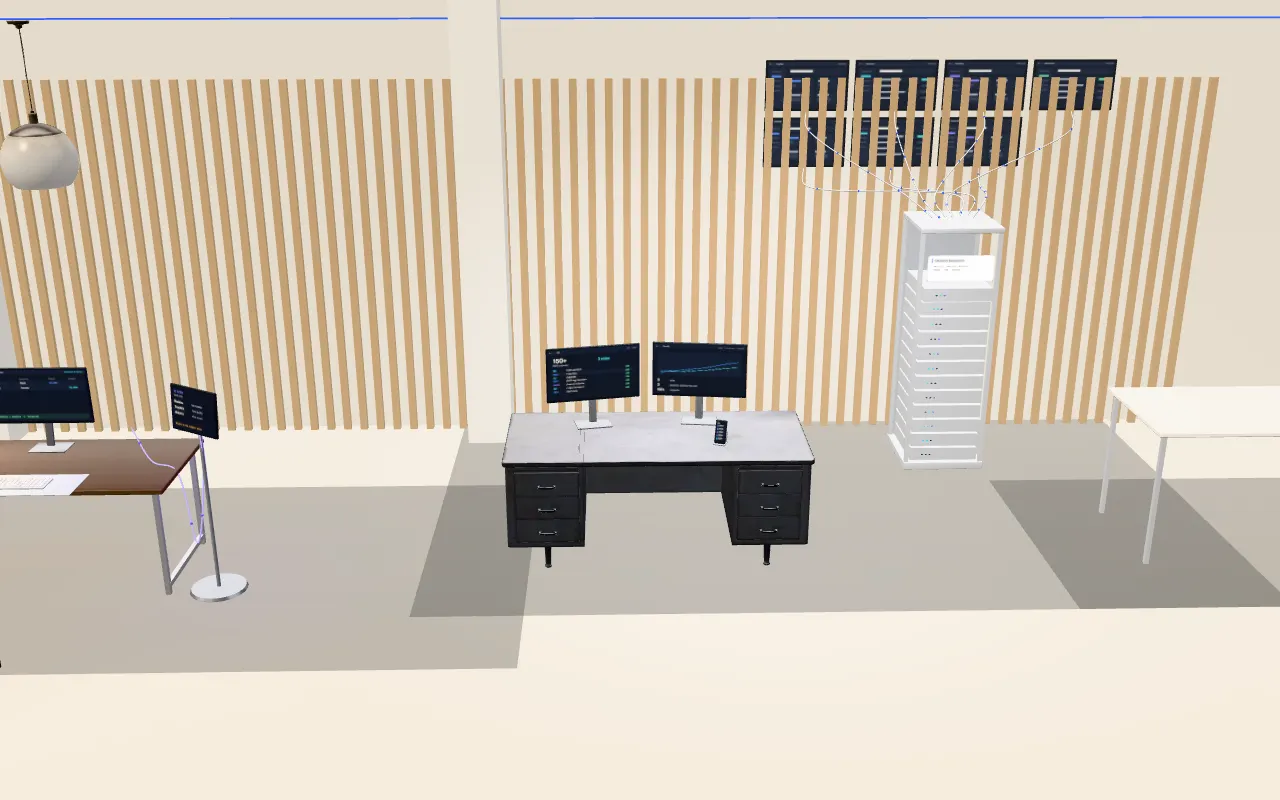
production applications
10+
business clients
8+
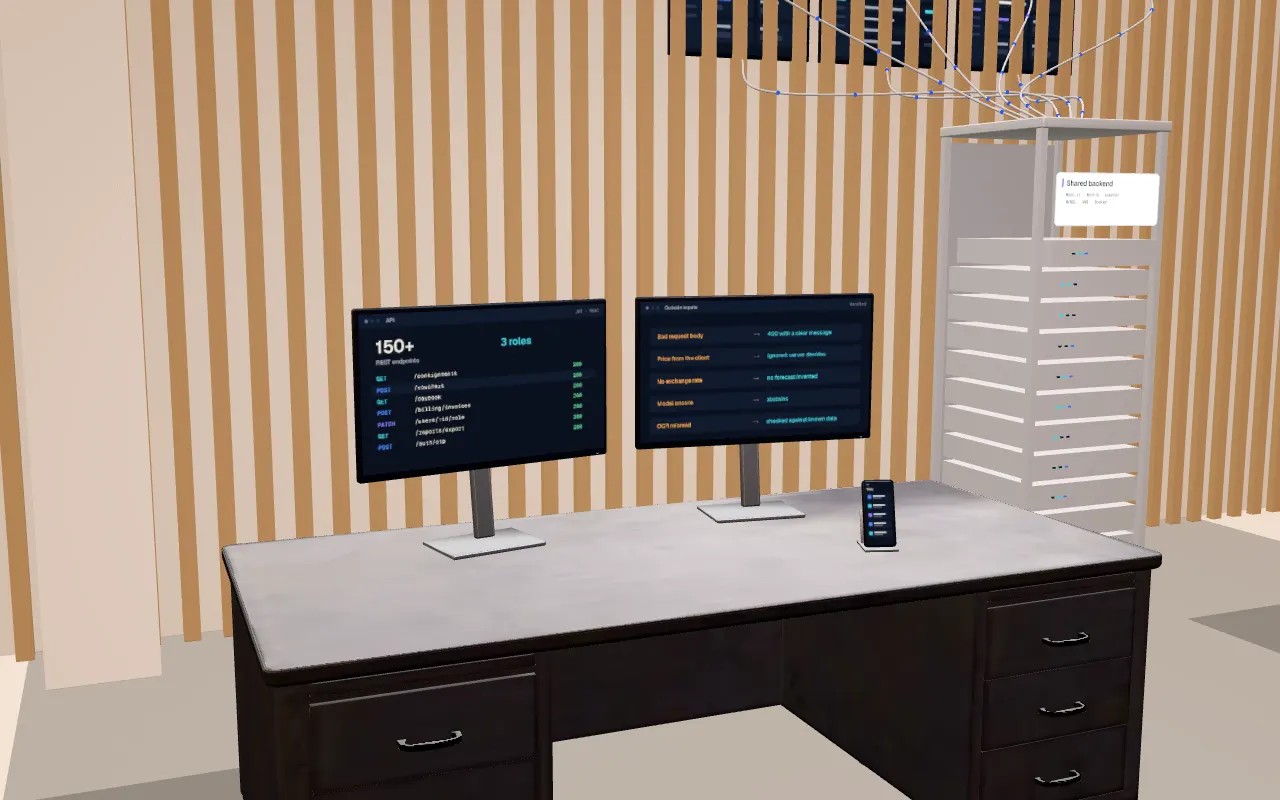
REST API endpoints
150+
Same foundations, different businesses
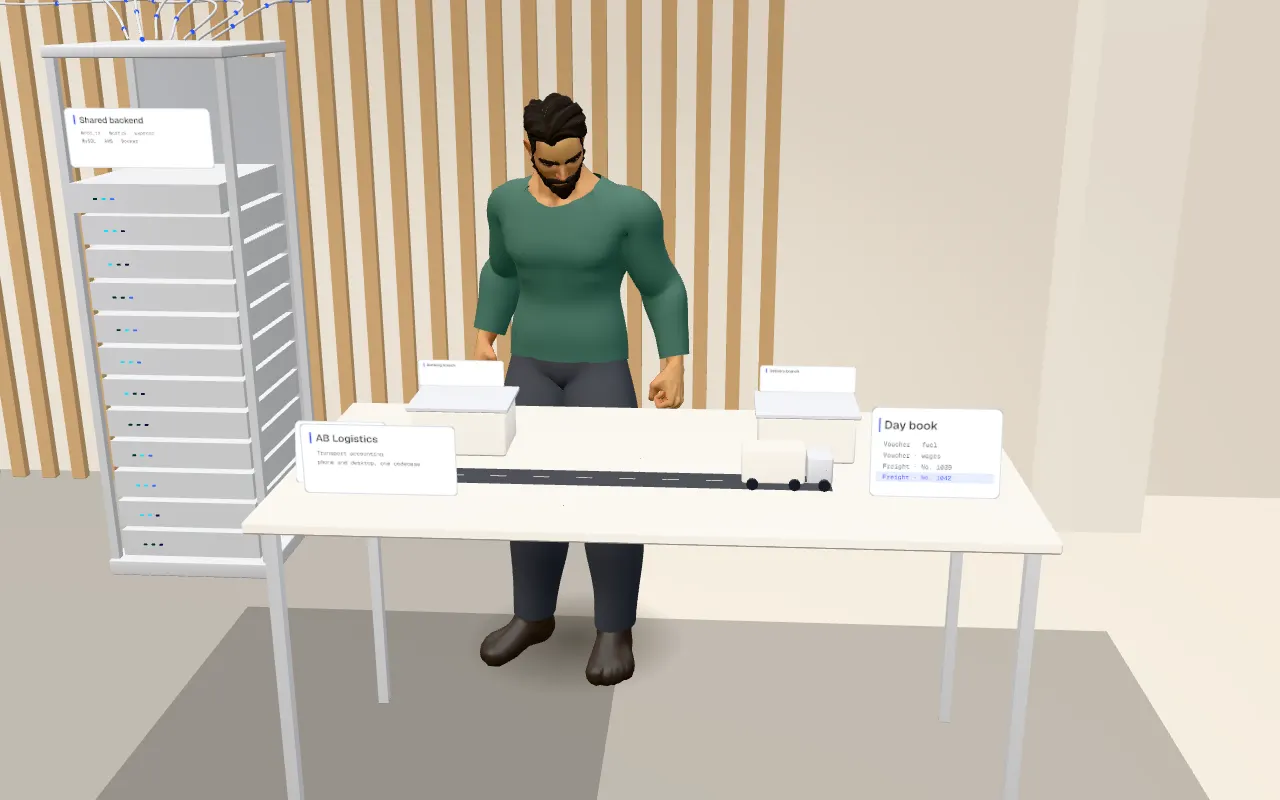
LogisticsConsignment notes, vouchers, a day book and billing.
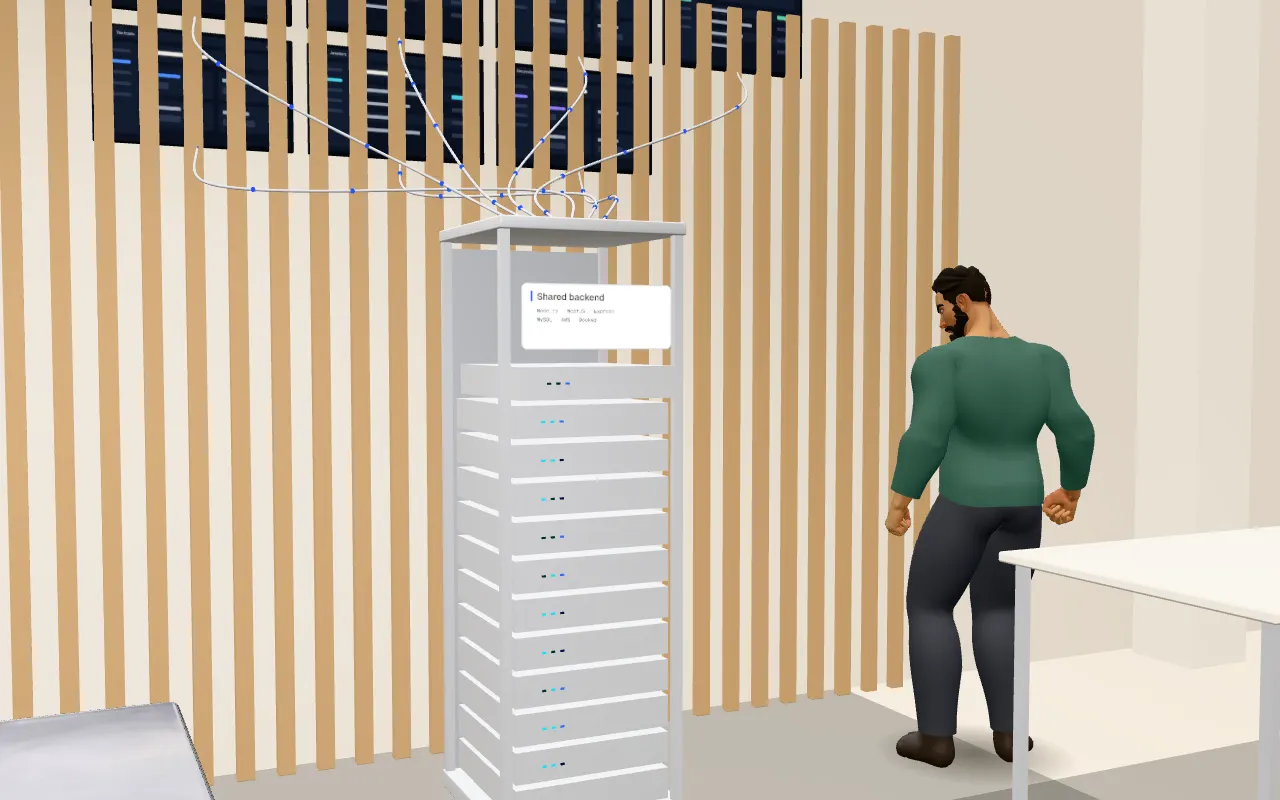
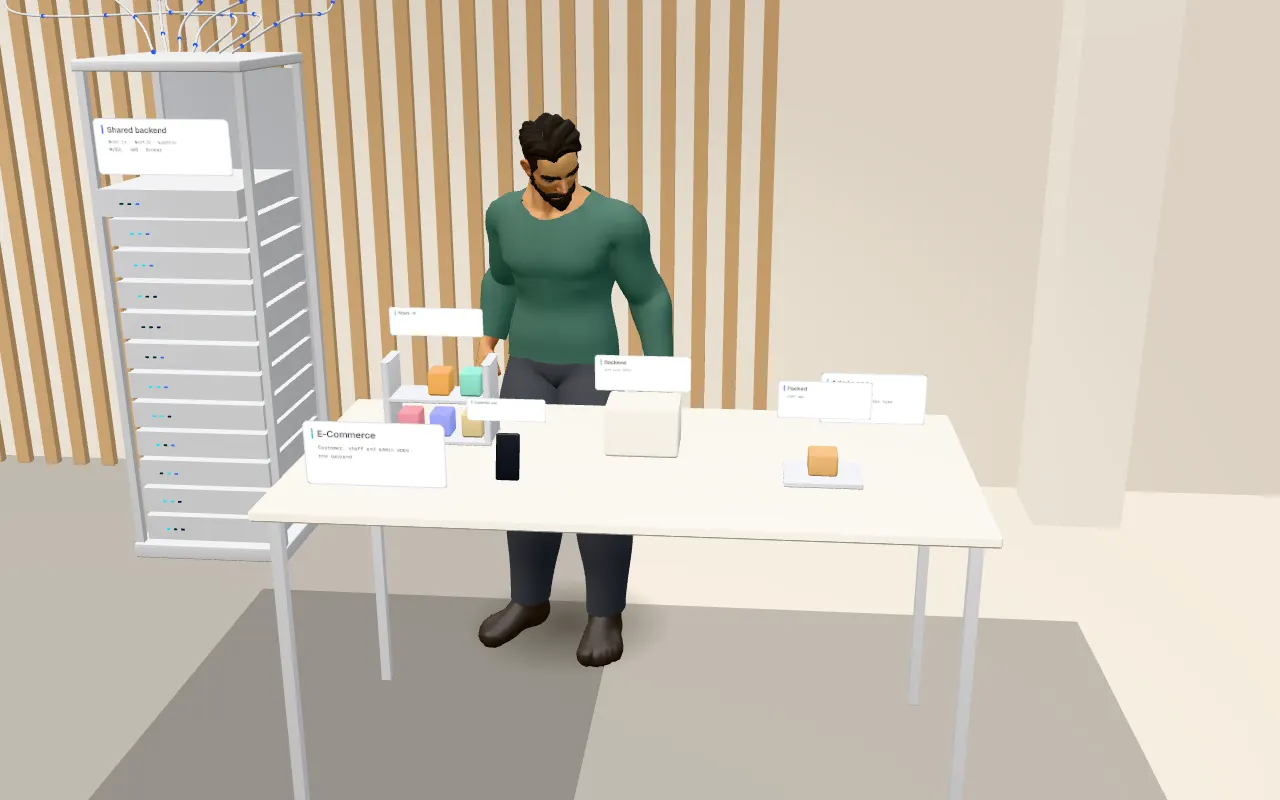
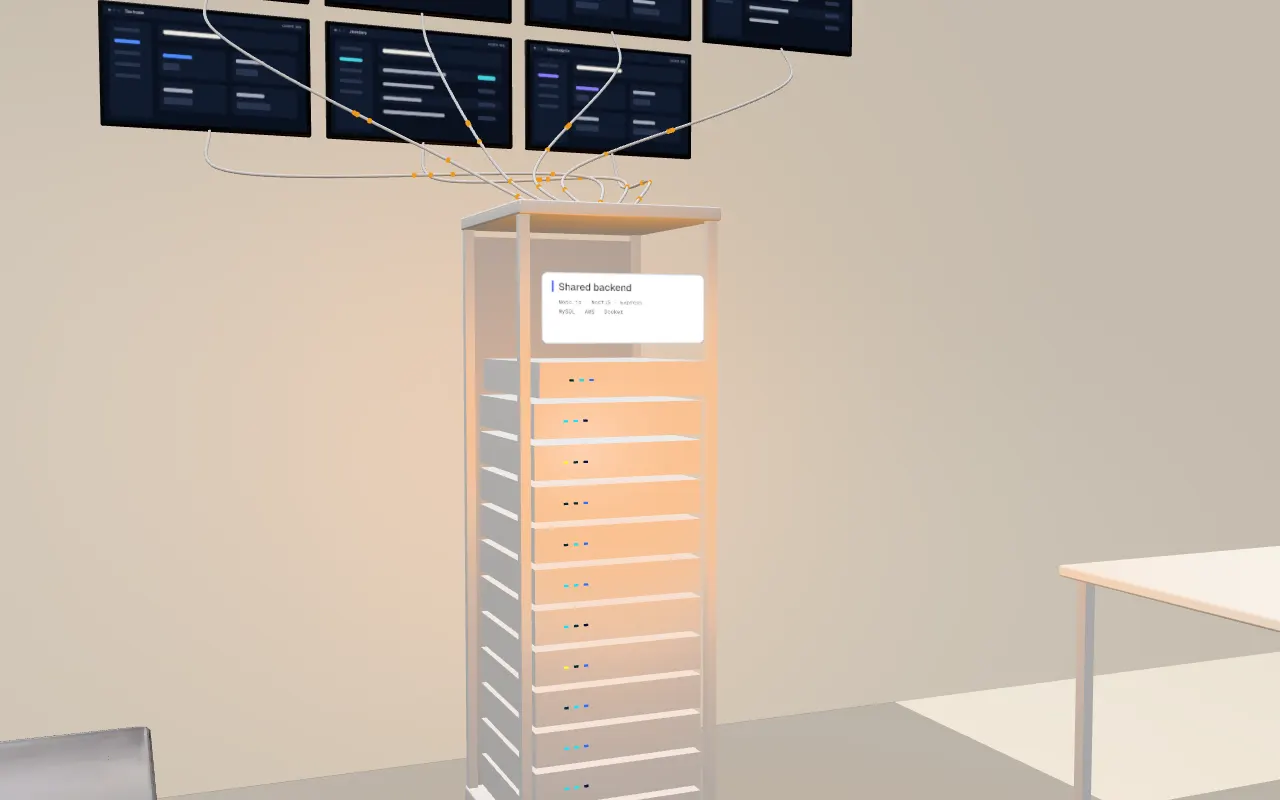
CommerceCustomer, staff and admin apps on one backend.
Field salesRoutes, visits, attendance and live location for a sales team, synced with Tally.
ConstructionProjects, blocks, flats, owners, milestones and payments.
Tea tradeBatches, grades, sales and dispatch.
JewelleryA storefront website and its Android app.
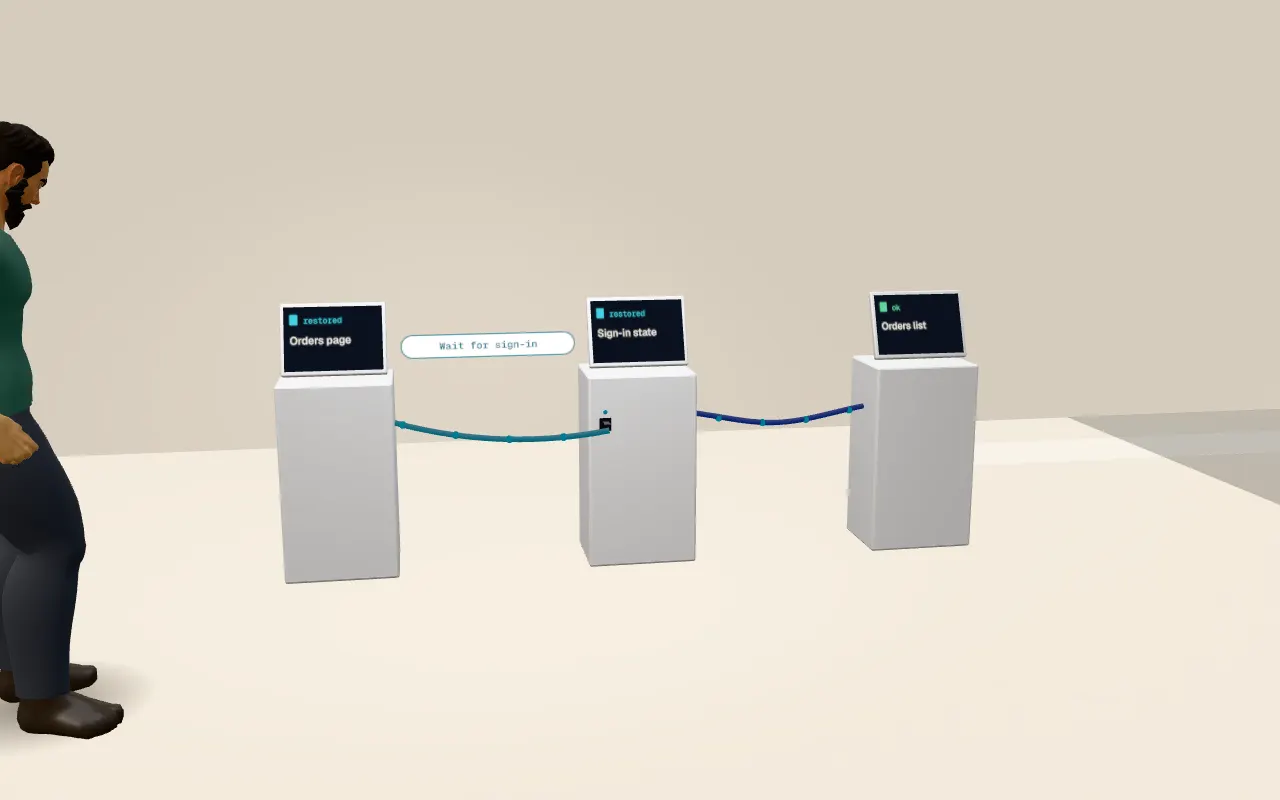
Secure sign-inTwo-factor sign-in on desktop and mobile, with roles decided on the server.
Next →Underneath all of them, the same work kept coming back.
04—Experience
What every one of them needed
One codebaseAndroid, PWA and web from a single shared TypeScript codebase.
AccessSign-in for three user roles with JWT, OTP, role-based access and bcrypt.
IntegrationsPayment-gateway and accounting APIs, QR scanning, S3 file uploads.
OperationsDashboards, scheduled cron jobs and Excel exports for recurring client reports.
TeamA five-person team, releasing on AWS with Docker and Git-based code review.
Next →Around the bigger projects, I kept smaller experiments going.
09—Lab
Lab notes
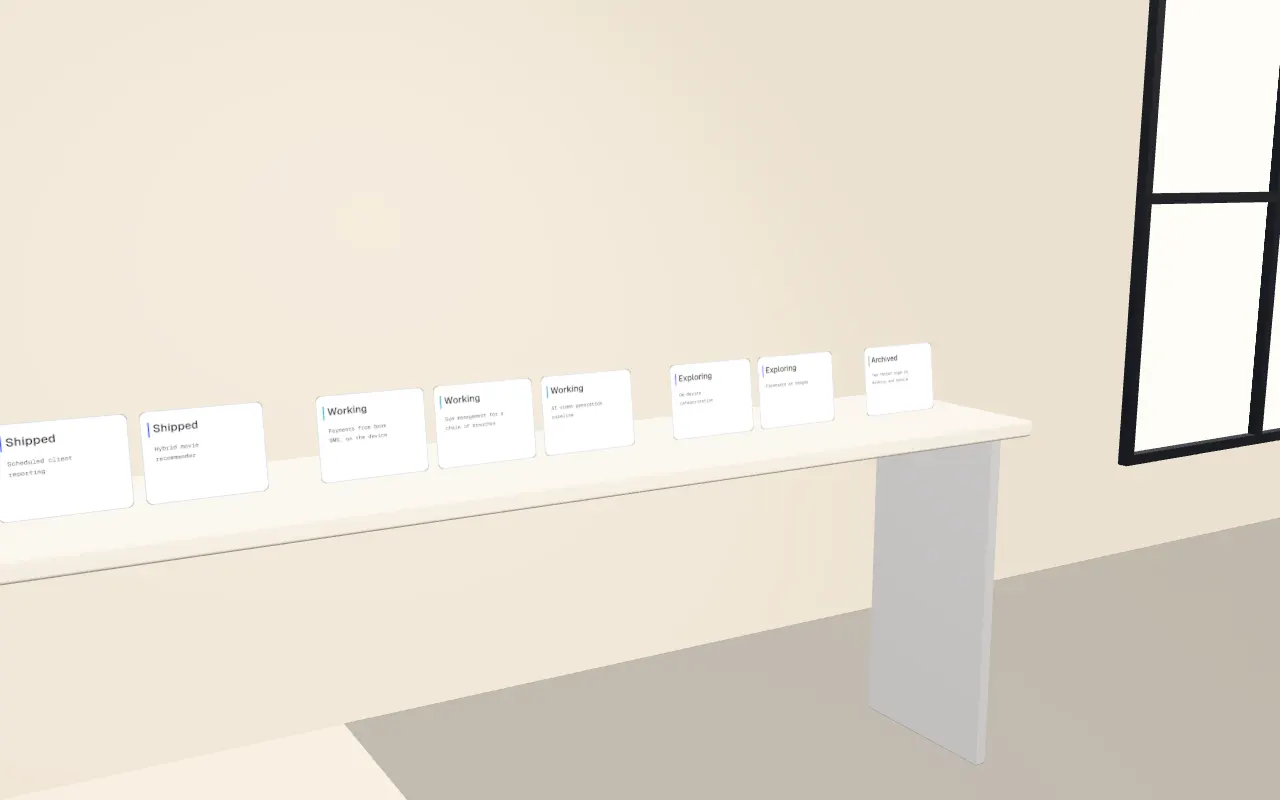
Smaller experiments from the same repositories: some shipped inside something bigger, some still open.
Shipped04
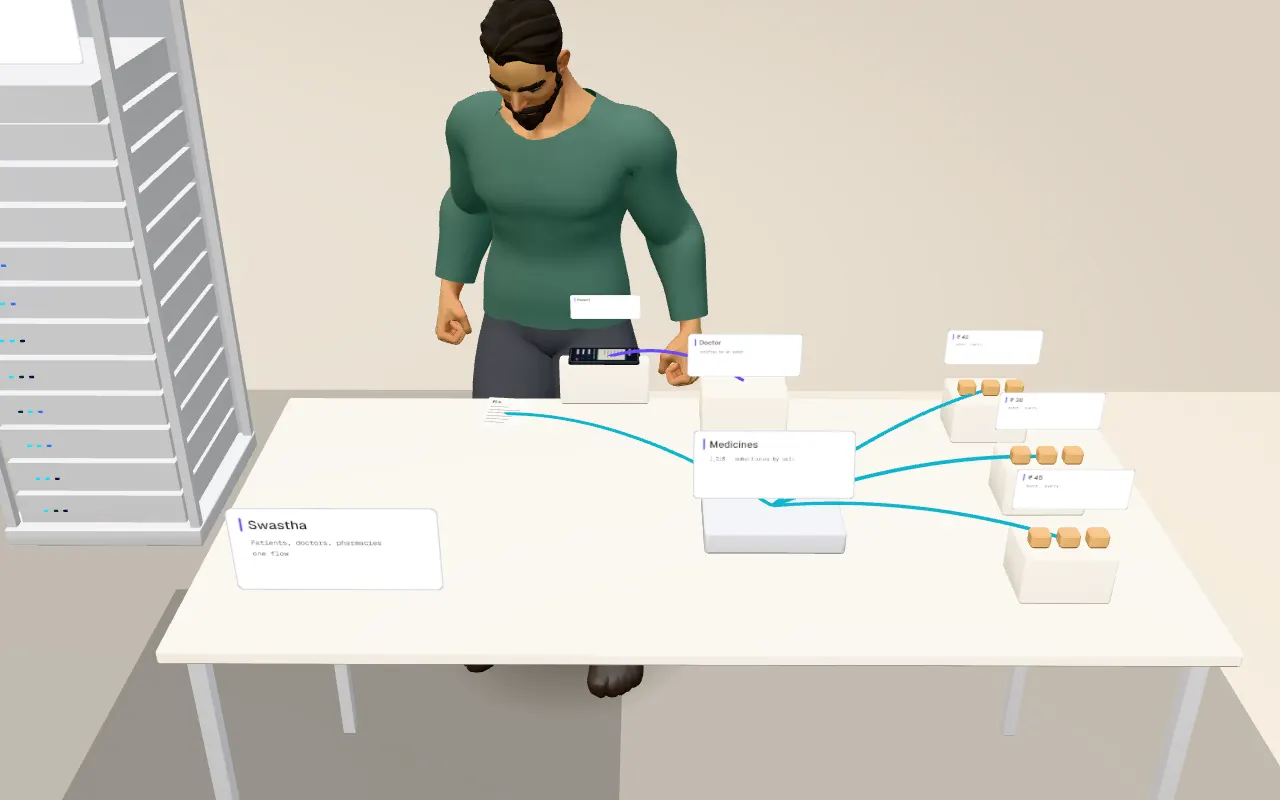
Reading prescriptions with GeminiSwastha
Read the medicines on a photo of a prescription.
Keeping a sales team in step with TallyABS Infotech
Give a field-sales app the stock, customers and balances the business already keeps in its accounting system.
Scheduled client reportingABS Infotech
Take recurring client reports off people’s hands.
Hybrid movie recommenderAvalon Tribe
Recommend movies a person is likely to enjoy.
Working03
Payments from bank SMS, on the deviceWallet
Record a payment from the bank’s message without the message leaving the phone.
Gym management for a chain of branchesWith a teammate
One system for a gym brand with many branches: memberships, invoices with GST, and a ledger per branch.
AI video generation pipelinePersonal experiment
Turn a written script into a short animated video.
Exploring02
On-device categorisationWallet
Suggest a transaction’s category without the data leaving the phone.
Forecasts as rangesWallet
Replace a single forecast number with an honest range.
Archived01
Two-factor sign-in, desktop and mobileABS Infotech
Protect an internal tool with codes from an authenticator app.
Next →Some of them are what I’m working on now.
10—Now
Now
Building
Wallet — a personal finance system with a deterministic ledger core and a separate AI layer.Case study →
Exploring
On-device categorisation and forecasts as ranges — both open questions in Wallet.Lab notes →
Learning
System design, scalable backend architecture and cloud infrastructure — how software stays reliable as it grows.
Interested in
Financial technology · AI-integrated applications · Production backend systems
Looking for
A strong engineering team on real products, where the problems aren’t fully solved upfront — backend-heavy or full-stack work across development, debugging and system design.
How I work
I use AI tools as part of my development workflow, but I review, test and take responsibility for what ships.
Availability
Looking for software engineering roles: full-stack, backend or SDE-1. Graduated in June 2026, open to relocate.